General Gardening
Gardening is more than just planting flowers or mowing the lawn—it’s an art form that blends nature and nurture. A well-tended garden reflects the care and creativity of its owner, becoming a peaceful retreat and a personal sanctuary. Whether you’re a seasoned green thumb or a complete beginner, understanding the basics of general gardening lays the foundation for success. From soil preparation to seasonal maintenance, there are key steps that bring life and color to any yard. The journey starts with planning and purpose, where each plant serves a function and fits a vision. General gardening brings the outdoors to life—one seed at a time.
One of the first steps in general gardening is assessing your space. Every garden is different depending on sun exposure, drainage, and local climate. It’s essential to understand your garden’s microclimate before selecting plants to ensure they thrive in the environment. Sun-loving herbs like rosemary or lavender need full light, while leafy greens prefer partial shade. Mapping out where each plant will go prevents overcrowding and creates a balanced design. A thoughtful layout also makes future maintenance easier, giving each plant room to grow and breathe.
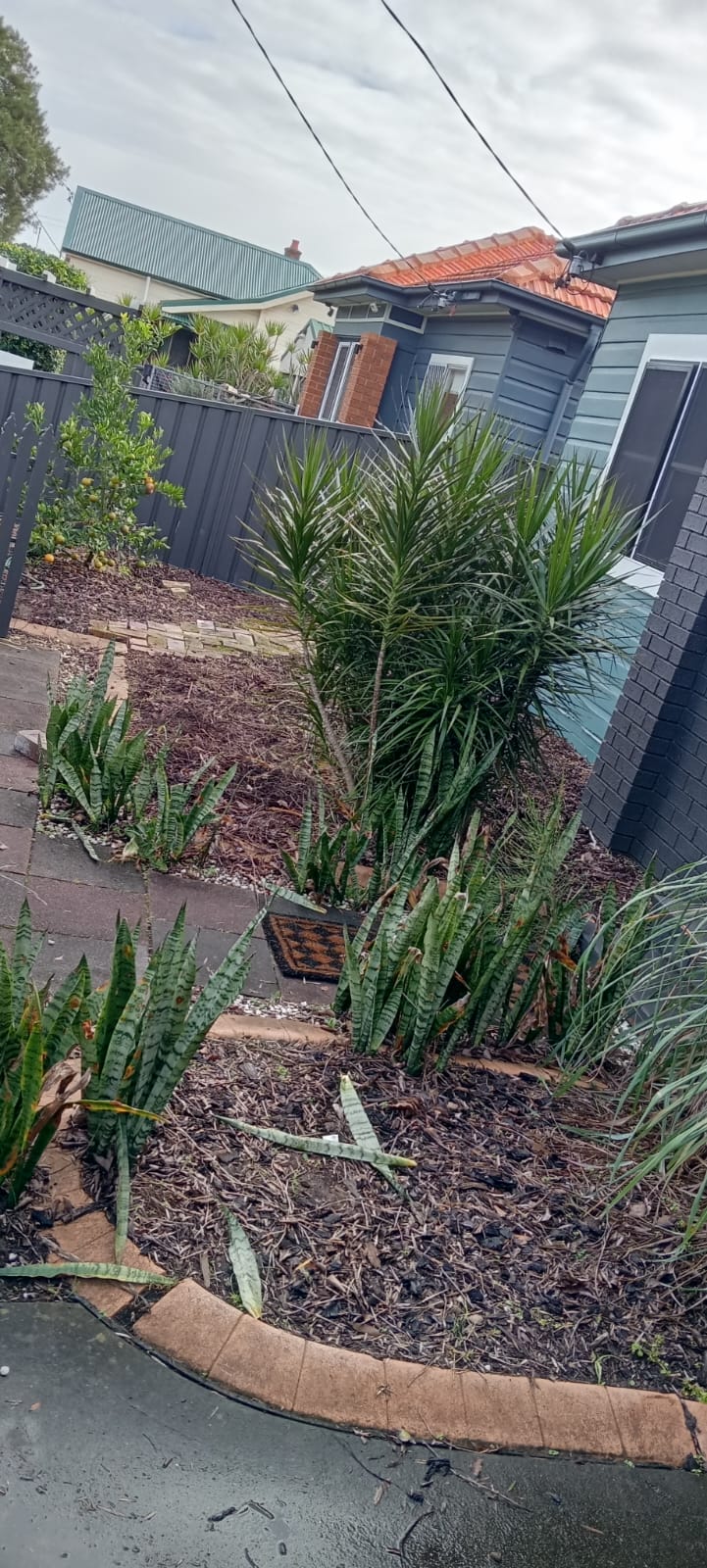
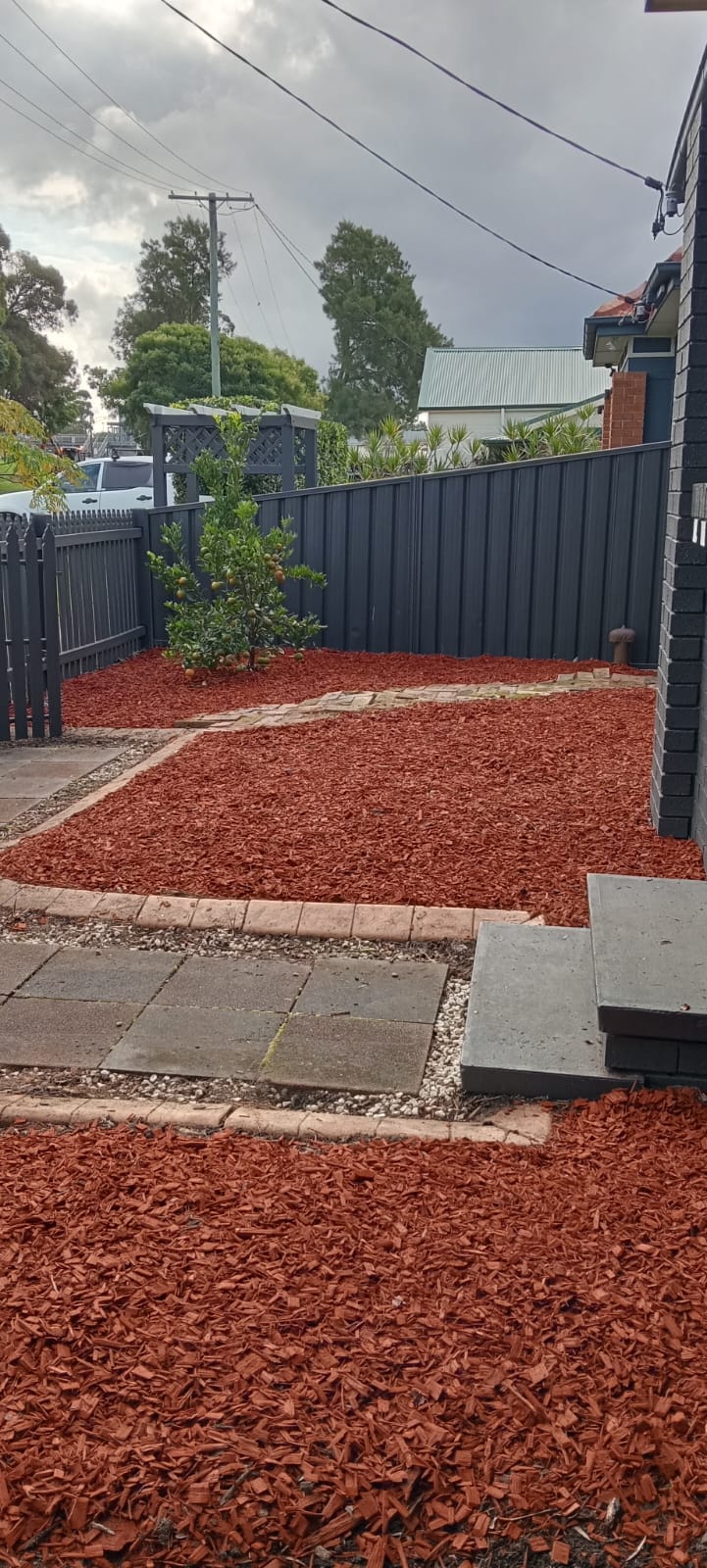
Soil is the unsung hero of any successful garden. Rich, well-aerated soil supports root growth and helps plants absorb vital nutrients and moisture. Conducting a basic soil test can reveal pH levels and deficiencies, allowing gardeners to amend it with compost, mulch, or organic matter. Mulching also helps retain moisture and suppress weeds while enhancing the soil’s structure. When the foundation is strong, the rest of the garden flourishes. Don’t underestimate the power of good dirt—it can mean the difference between a thriving garden and one that struggles.
Watering may seem simple, but it’s often where mistakes happen. Overwatering can drown roots, while underwatering leaves plants dry and brittle. The key is consistency and understanding what each plant needs. Early morning watering is ideal, allowing moisture to absorb before the heat of the day. Drip irrigation systems or soaker hoses are efficient tools for larger spaces, delivering water directly to the roots. Avoid splashing leaves to prevent fungal diseases. Mastering this balance keeps your garden lush without wasting precious resources.
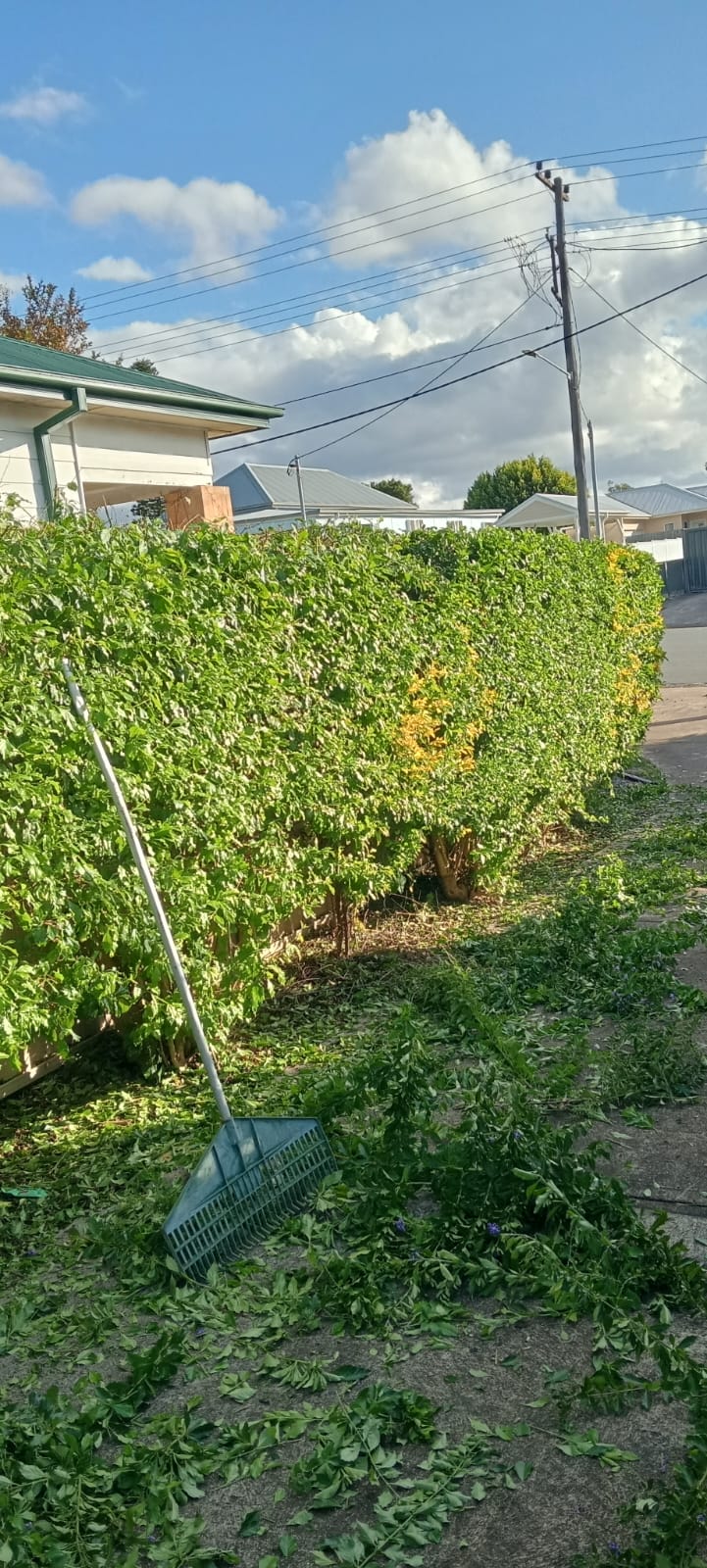
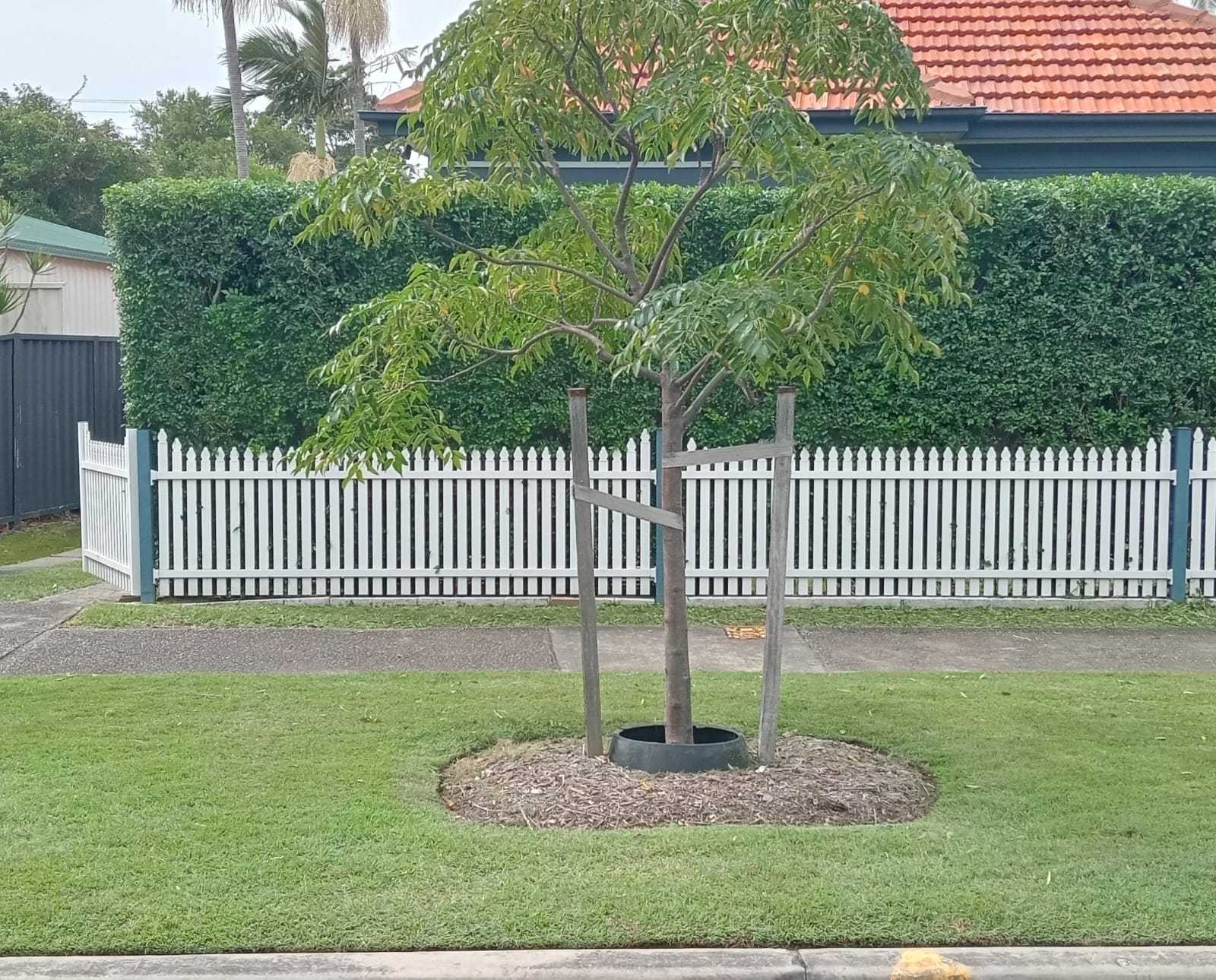
Pruning and trimming are critical to the health and appearance of your garden. These tasks promote new growth, prevent disease, and maintain the structure of trees and shrubs. Each plant has its own pruning schedule, so it’s important to learn when and how to cut. Removing dead or overcrowded branches increases airflow and sunlight exposure. Tools like shears or loppers should be sharp and clean to avoid damaging plants. When done regularly, pruning shapes your garden and enhances its natural beauty.
Pest and disease control is a necessary aspect of garden upkeep. Healthy plants naturally resist many threats, but sometimes extra help is needed. Look for early signs of trouble—discoloration, holes in leaves, or slowed growth—and address them quickly. Natural remedies like neem oil or companion planting can deter pests without harming the environment. Encourage beneficial insects like ladybugs, which feed on harmful aphids. A vigilant eye and proactive approach ensure your garden stays vibrant and pest-free.
Incorporating variety brings texture and interest to your garden. Mix flowers, herbs, vegetables, and shrubs to create a dynamic landscape that changes through the seasons. Perennials return year after year, while annuals provide bursts of color and freshness. Including native plants can reduce maintenance and attract local pollinators such as bees and butterflies. Don’t forget about vertical space—climbing plants and hanging baskets add dimension and maximize room. Diversity keeps your garden engaging and constantly evolving.
Lastly, general gardening is a rewarding and therapeutic experience. It encourages mindfulness, physical activity, and a deep connection to nature. Watching your garden grow fosters a sense of pride and accomplishment that few other hobbies offer. Whether you’re planting for beauty, food, or relaxation, gardening gives back more than you put in. It teaches patience, nurtures creativity, and brings joy in every bloom. With care and commitment, anyone can cultivate a garden that feels like home.